EXo-i
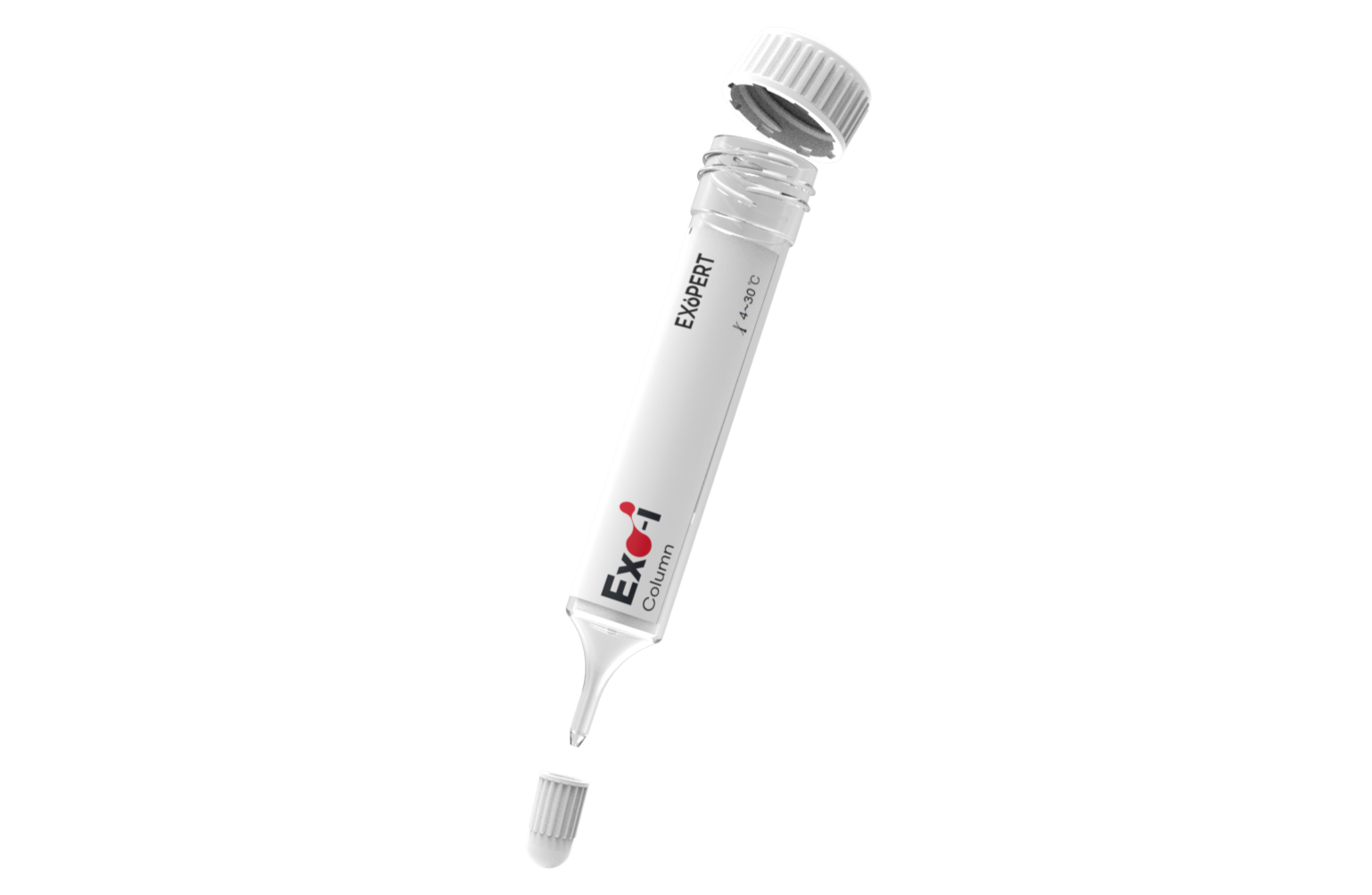
EXo-i enables rapid isolation of exosomes from cell culture and blood within 15 minutes.
EXo-i effectively removes soluble and lipid proteins allowing high-purity exosomes to be obtained from samples.
It takes an approach using only the path difference of particles depending on column sizes,
so that no other chemical or physical modification is applied to the exosomes.
Thus, it facilitates further research greatly through the captured high purity exosomes
EXo-i enables rapid isolation of exosomes
from cell culture and blood within 15 minutes.
EXo-i effectively removes soluble and lipid proteins allowing
high-purity exosomes to be obtained from samples.
It takes an approach using only the path
difference of particles depending on column sizes,
so that no other chemical or physical
modification is applied to the exosomes.
Thus, it facilitates further research greatly
through the captured high purity exosomes
Why EXo-i
-
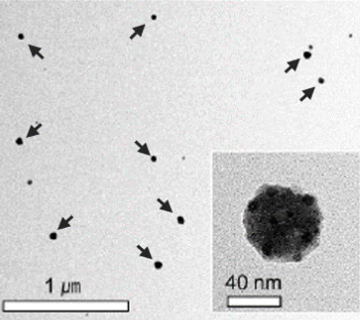
- Stable isolation
- Separation possible without
damage to exosomes
-
- Rapid isolation
- Exosome isolation
within 15 minutes
-
- High purity isolation
- Isolation of high purity exosomes
where soluble and lipid
proteins are removed - Isolation of high purity
exosomes where soluble and
lipid proteins are removed
How It Works
Dual size-exclusion chromatography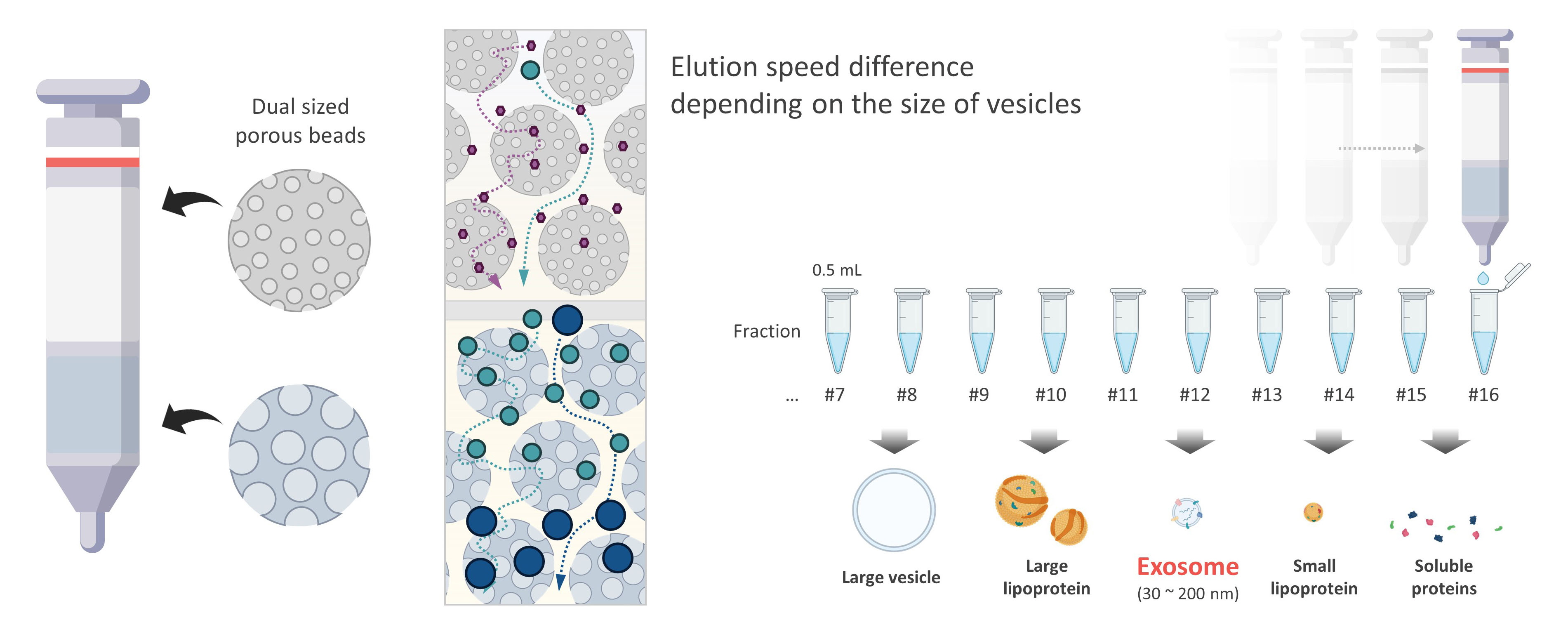
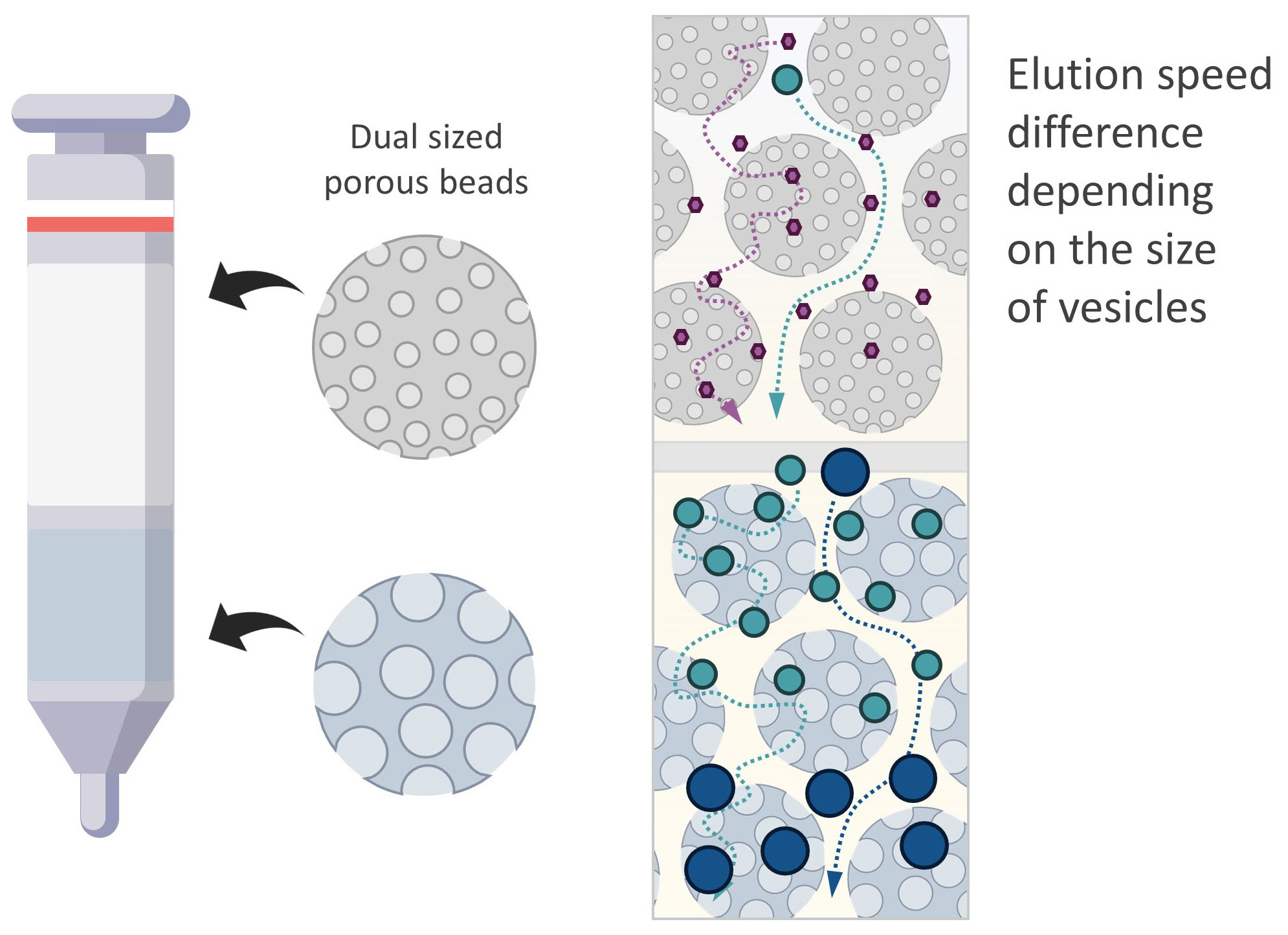
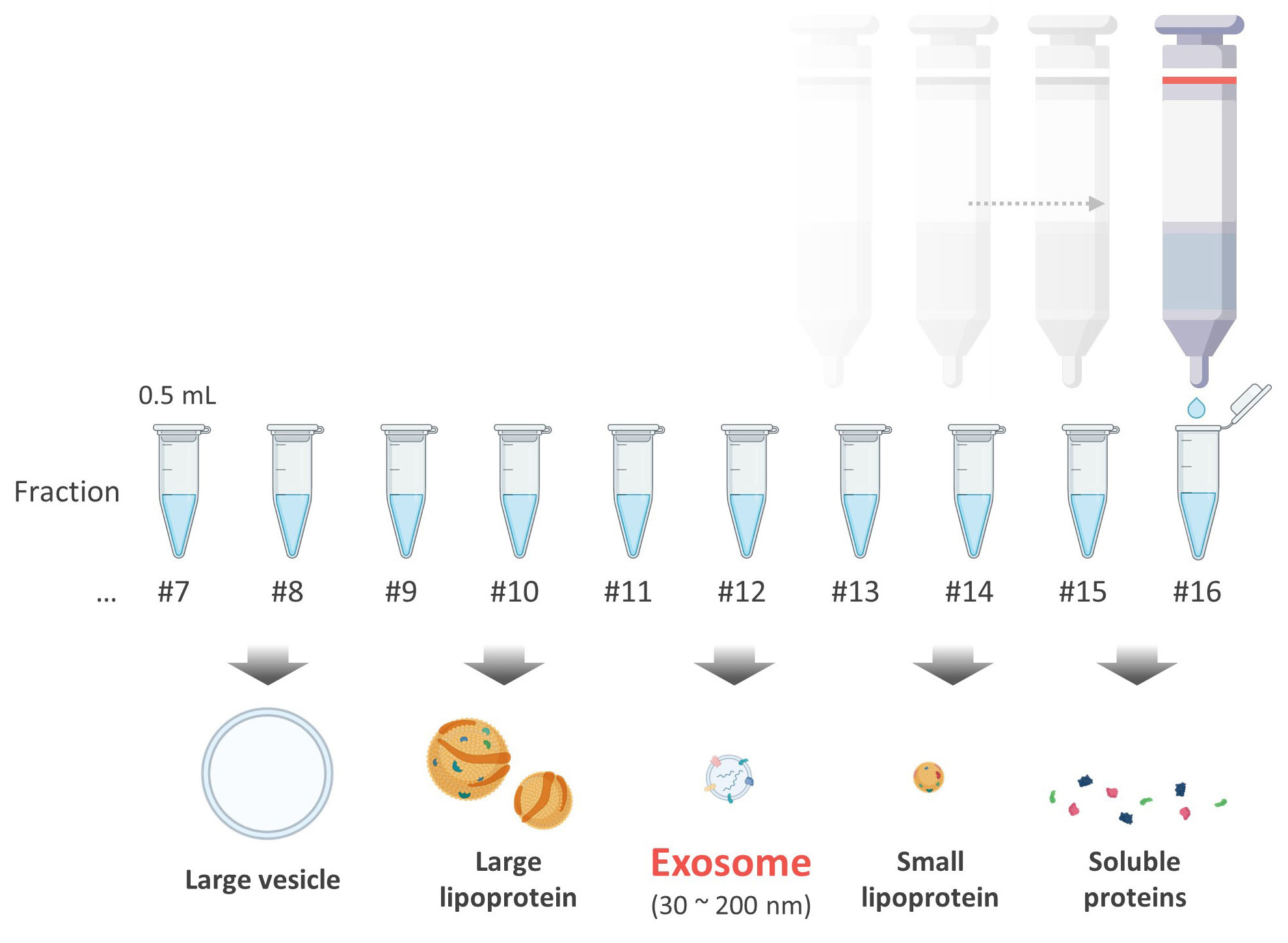
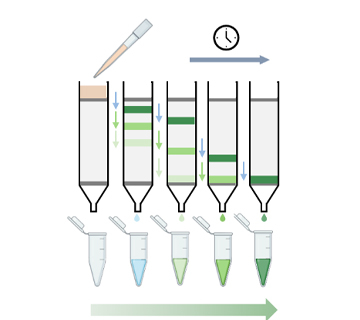
Exo-i separates bioparticles according to their size through a column structure in which two different types of porous beads are sequentially stacked.
The structure of this column enables effective removal of lipoproteins and soluble proteins beyond simply spreading bioparticles by size through complex size exclusion.
While acquiring fractions with a volume set at 0.5 mL, fractions predominantly enriched with small EVs, including exosomes, can be captured.
(Scientific reports 11.1 (2021): 1-9.)
- To isolate exosomes Exo-i
-
- Flush the column
- Add 500 ㎕ bio-sample (Cell media, Plasma, Serum)
- Add buffer solution
- Just collect a fraction of 500 ㎕ each
Performance Data
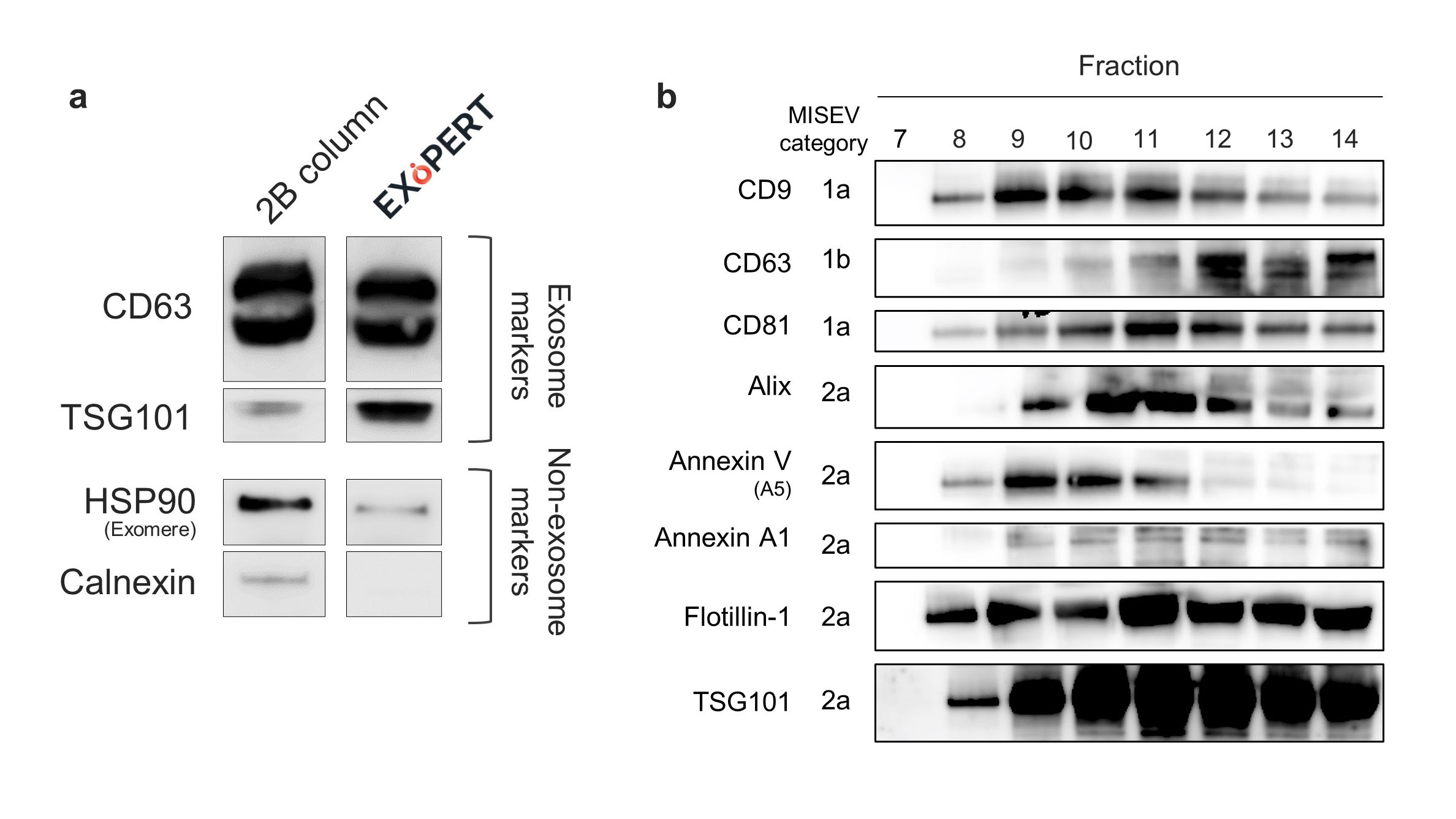
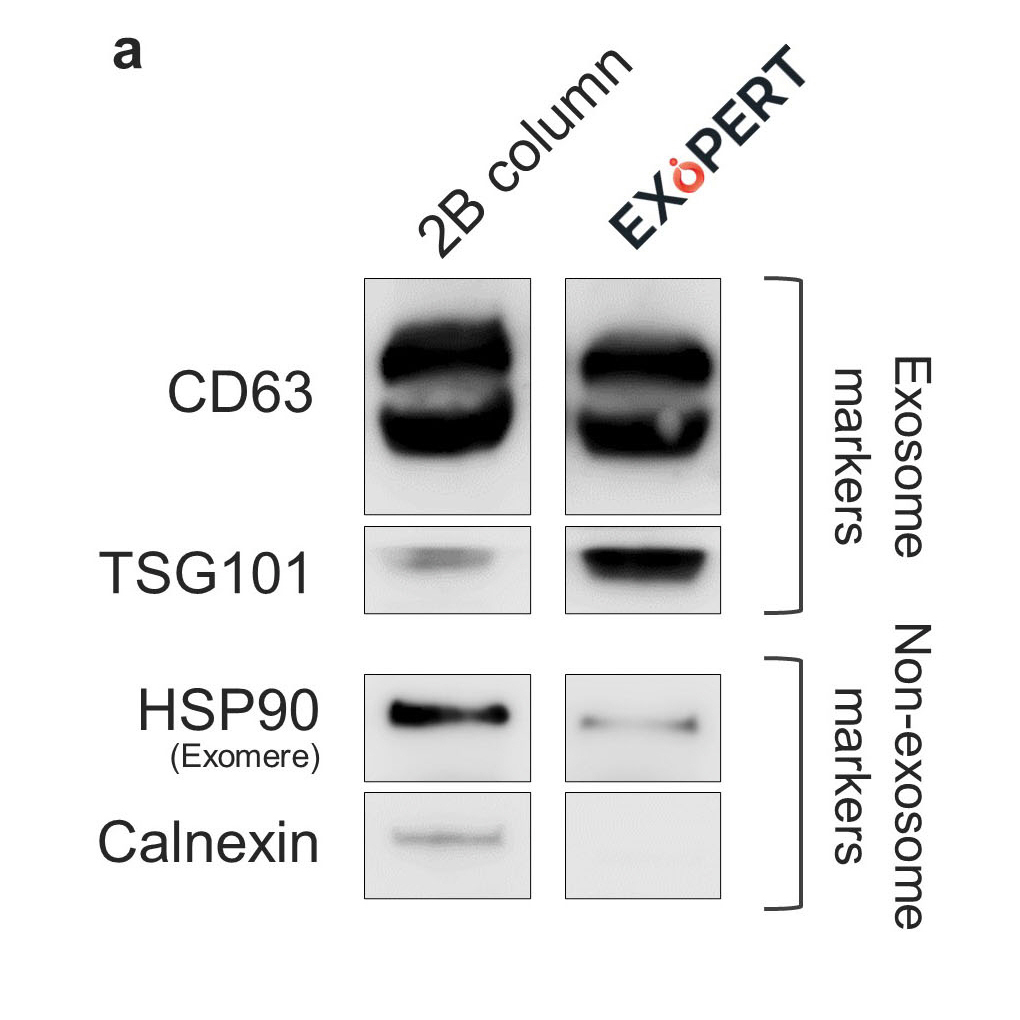
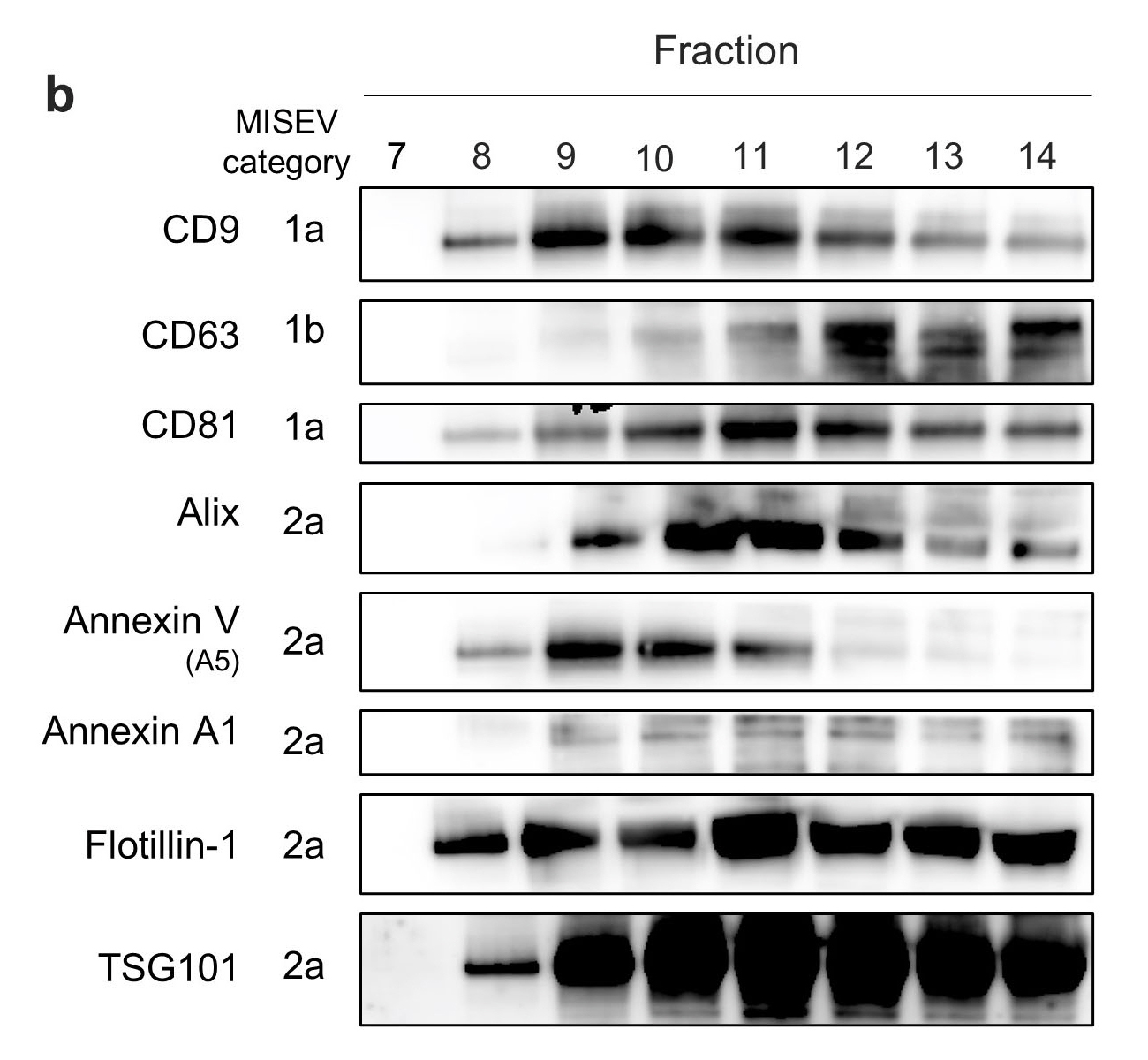
- Exosomal protein expression
- Western blotting (WB) results to show EV markers from a) lung cancer cell media and b) human plasma. a) The result shows more effective removal of non-exosome markers and preservation of exosome markers compared to a conventional 2B column. b) The result indicates protein expression of exosomal markers (CD9, CD63, CD81, Alix, Annexin V, Annexin A1, Flotillin-1, and TSG101 by fractions. The decision on the type of protein markers followed the MISEV2018 guidelines.
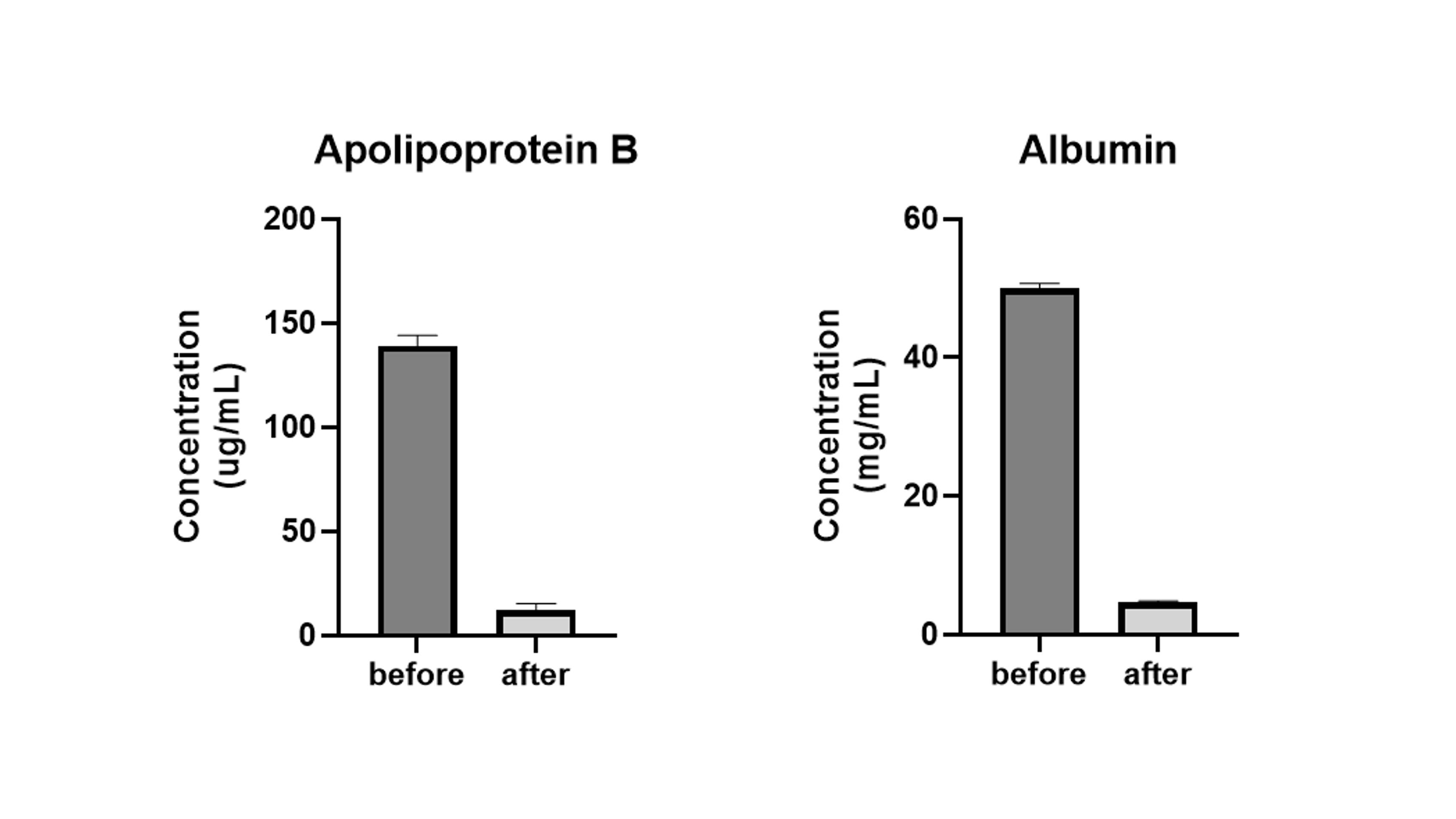
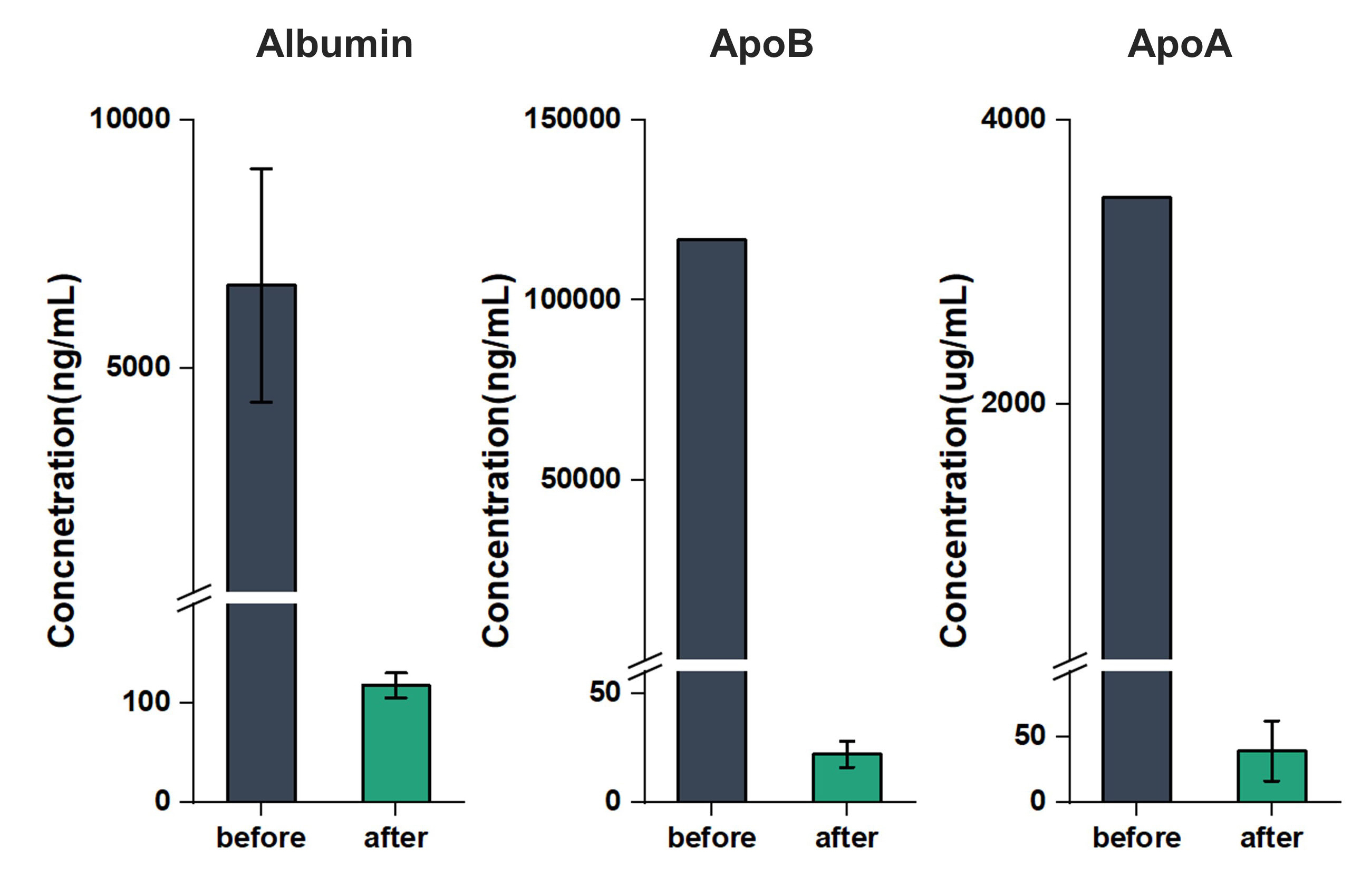
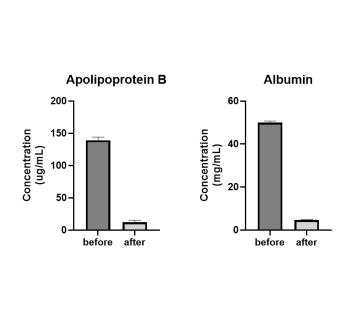
- Elimination of lipoprotein and
soluble proteins from plasma - Removal proportion of lipoproteins and soluble proteins from plasma. The concentration was measured using Enzyme-Linked Immunosorbent Assay (ELISA). The analysis shows that albumin decreased by 91.1%, ApoB by 92.6%, and ApoA by 92%.
- Size, yield, and purity
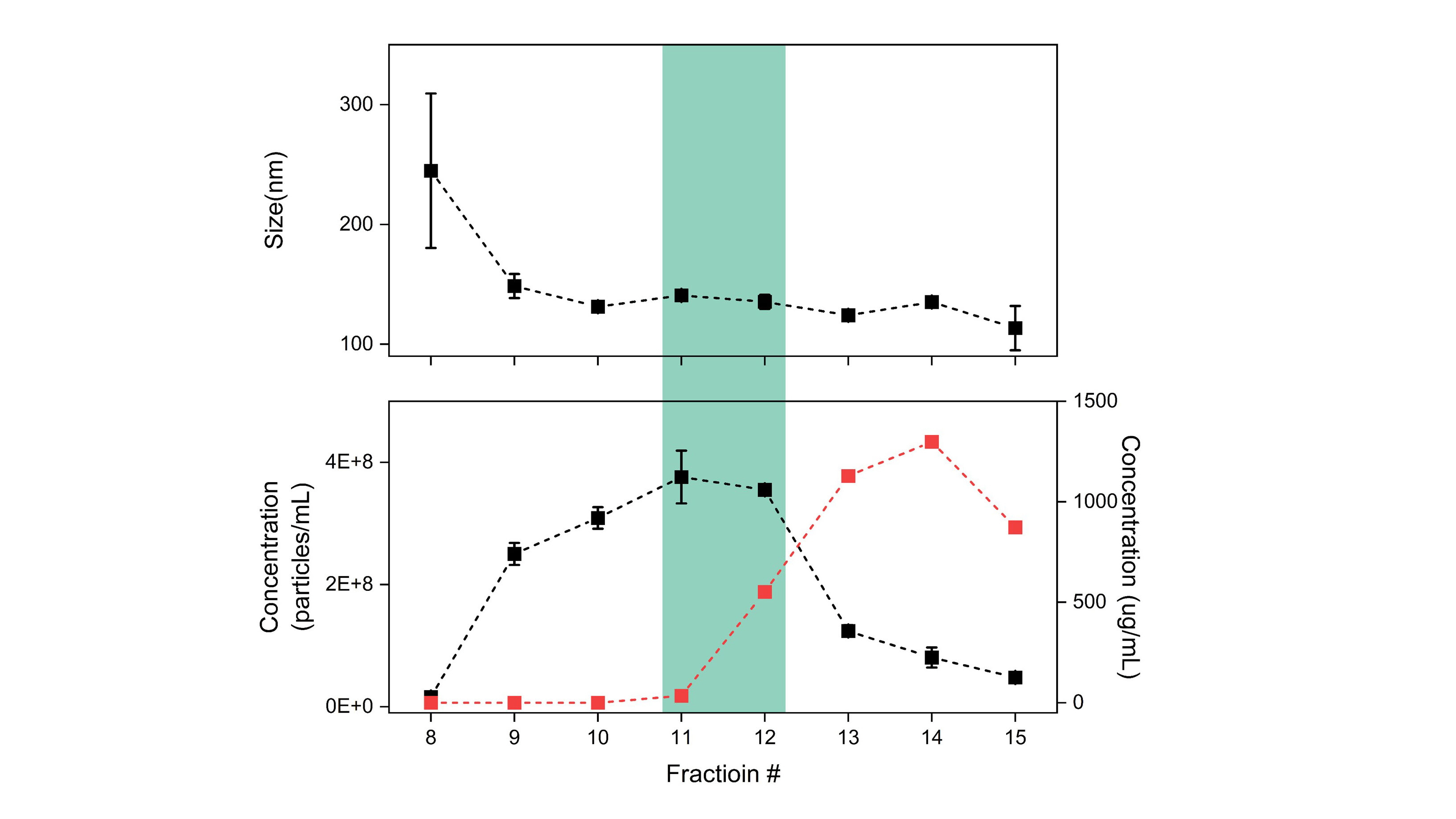
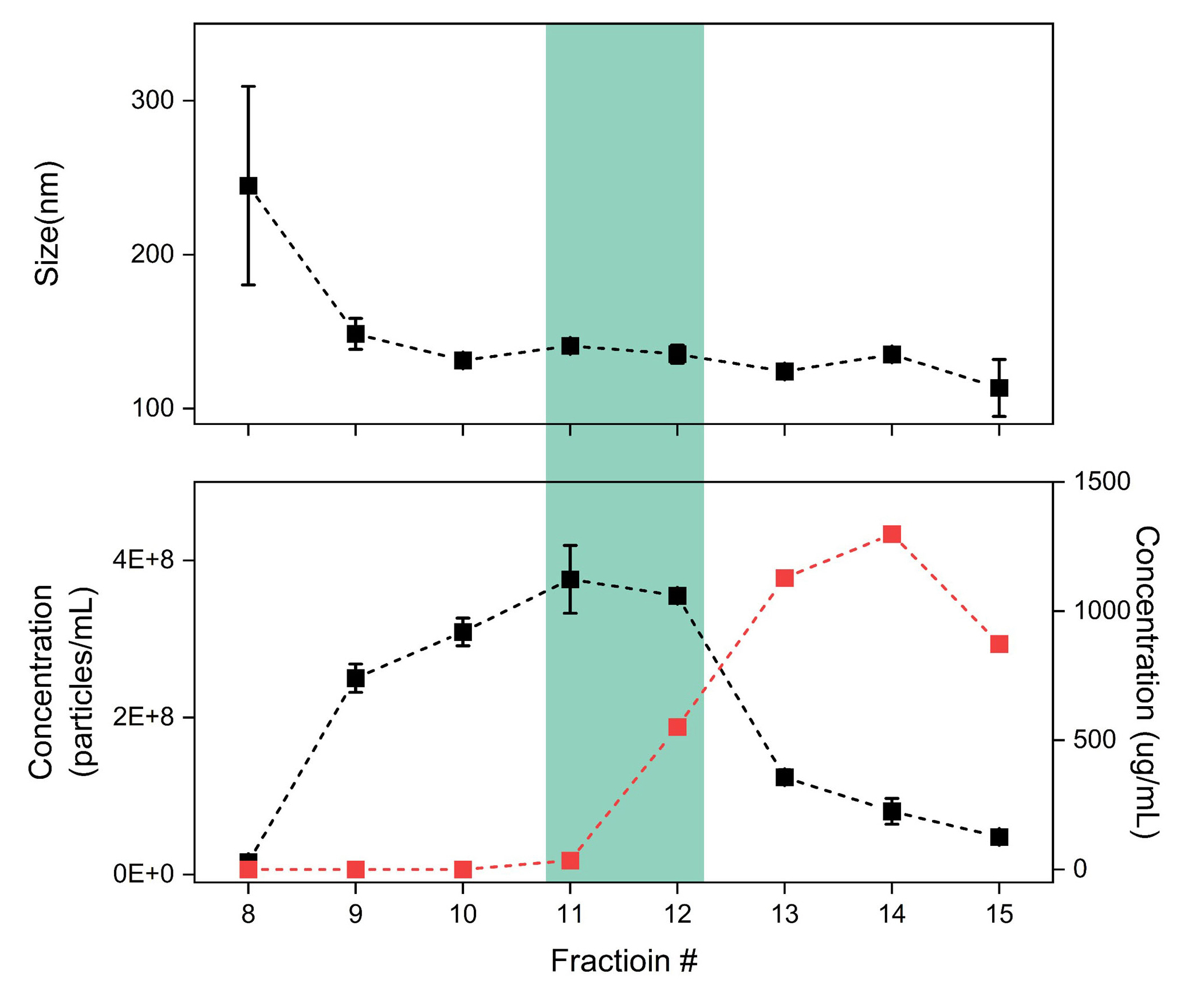
- Exosome size distribution and yields from plasma by nanoparticle tracking analysis (NanoSight) and small protein distribution. The size distribution shows a gradual decrease in vesicle size according to fractionation. The mode sizes at fractions 11 and 12 are in the range of 100 ~ 150 nm. The bottom graphs show the concentration distribution of vesicle-like particles (black) and small proteins (red). This result suggests that our method can avoid interference by free protein as much as possible. The particle concentrations are about 5.0 × 10⁸ particles/mL at fractions 11 and 12.
Publication
Many papers have been published using our technology.
- "Early-stage lung cancer diagnosis by deep learning-based spectroscopic analysis of circulating exosomes."
ACS nano 14.5 (2020): 5435-5444.
- "A Proteomic Approach to Understand the Clinical Significance of Acute Myeloid Leukemia–Derived Extracellular Vesicles Reflecting Essential Characteristics of Leukemia."
Molecular & Cellular Proteomics 20 (2021).
- "Dual size-exclusion chromatography for efficient isolation of extracellular vesicles from bone marrow derived human plasma."
Scientific reports 11.1 (2021): 1-9.
- "GCC2 as a New Early Diagnostic Biomarker for Non-Small Cell Lung Cancer."
Cancers 13.21 (2021): 5482.